

Layered Low-Glare Lighting for Effortlessly Sophisticated Spaces

Step into a calm, refined world as we explore layered low-glare lighting plans for sophisticated ambience, balancing indirect washes, shielded accents, and intelligent controls. Expect practical strategies, vivid examples, and human stories that reveal how gentle, well-aimed light softens edges, elevates materials, and guides daily rituals without strain, dazzle, or visual fatigue.

Start with Soft Ambient Layers

Begin by establishing a gentle foundation that never competes with conversation or art. Indirect uplight, discreet coves, and uniform vertical illumination create comfort while reducing harsh contrasts. When the ceiling glows softly and walls carry a quiet sheen, furnishings breathe, textures open up, and faces feel naturally illuminated without the sting of exposed sources or hard reflections.

Taming Glare without Losing Drama

Glare control is not about dulling the room; it is about refining sparkle into a soft, readable glow. Deep regress, precise shielding, and disciplined aiming ensure light serves people, not the other way around. You gain clarity, contrast, and intimacy while preserving visual dignity, allowing drama to emerge from form, color, and shadow rather than exposed points of brightness.

Choosing optics that disappear

Select luminaires whose optics prioritize comfort: deep regress, low aperture brightness, and beam shapes that graze or wash rather than poke the eye. Black or softly specular reflectors reduce perceived brightness at the source, while microprismatic lenses temper sparkle. The fixture’s physical presence retreats, leaving only a purposefully shaped, quiet beam that guides attention without demanding it.

Finishes that stop sparkle at the source
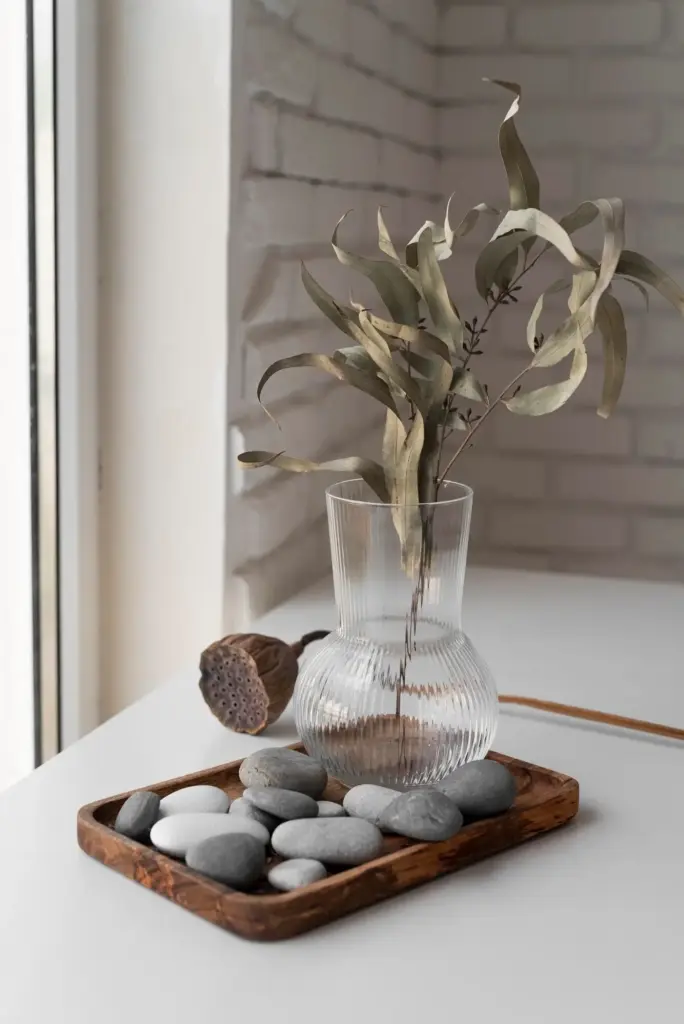
Material choices matter as much as optics. Matte paints, subtle sheens, and textured surfaces absorb stray reflections, calming highlights that otherwise bloom into fatigue. Darker baffles hide emitter points, yet wall reflectances stay balanced so rooms never feel cavernous. The harmony lives in restraint: limit glossy planes near sightlines, contain reflections, and let light rest comfortably on softened surfaces.

Layer by Layer: Ambient, Task, Accent

Think in layers that cooperate rather than compete. Ambient light creates an easy baseline, task beams support activities precisely, and accents add depth and narrative. Each layer has its own dimming and zoning so you can shift emphasis without visual shock. The elegance lies in restraint, with highlights that guide attention and a background that always feels considerate and calm.

Ambient that never shouts

Let the general glow come from indirect sources and broad, low-brightness distributions. Instead of fighting focal points, ambient light recedes, revealing them. The eye settles quickly, with fewer adaptation jumps between bright spots and darkness. People look better, colors appear true, and the room retains a steady, inviting pulse that supports whatever moment is unfolding without stealing the spotlight.

Task beams that serve, then fade

Provide crisp, low-glare light only where it is needed: a desk, a countertop, a reading chair. Use shades, baffles, and carefully chosen beam angles to confine brightness to the activity zone. When the task ends, a single touch lowers output, and the beam becomes an unobtrusive companion, never splashing into faces or throwing sharp reflections across polished surfaces.

Accents with gentle confidence

Highlight art, texture, or architectural details with controlled beams, avoiding harsh sparkle. Use wall grazers for stone, soft washers for canvas, and narrow accents for sculpture. Keep ratios elegant, not aggressive, so the story feels curated rather than theatrical. Subtle highlights invite lingering glances, shaping a room that reveals itself slowly, favoring curiosity over spectacle and comfort over showmanship.

Color Quality, Temperature, and Mood

Color is emotional architecture. High-fidelity sources with generous reds flatter skin, wood, and food, while warmer temperatures in the evening deepen intimacy. Tunable white gently mirrors daylight’s drift, supporting routines and rest. When color quality joins low-glare layering, surfaces feel honest, materials feel cherished, and every scene carries a quiet integrity that guests feel immediately, even if they cannot name it.

Quiet Hardware, Thoughtful Materials

Sophistication emerges when the hardware whispers. Choose fixtures that hide bright points, trims that melt into ceilings, and shades that edit harshness. Pair with matte paints, tactile textiles, and calm finishes to suppress scatter and sparkle. The construction details matter as much as the equipment list, ensuring light arrives gentle, coherent, and supportive from the very first switch-on.

Controls, Scenes, and Daily Rituals

Layered plans need simple, dependable control. Group ambient, task, and accents on separate circuits, then craft a few scenes that feel inevitable—arrive, unwind, dine, focus. Integrate gentle fades, warm-dim responses, and daylight awareness so transitions feel human. With clarity and restraint, controls disappear into habit, leaving only comfort, intention, and consistently low-glare elegance across changing moments.
Set Entertain with softened ambient, confident accents, and discreet task light; Unwind with warm-dim ambient and just a whisper of highlights; Focus with brighter task, cooled ambient, and restrained accents. Slow fades prevent abrupt shifts. The room never glares, even as purpose changes, because each layer knows its role and steps forward or back with impeccable courtesy.
Schedules can nudge levels through the day while occupancy sensors politely assist in busy spaces. Keep overrides obvious and intuitive. The most elegant system is the one you forget about because it respects intentions. It protects eyes from sudden brightness, preserves warmth after dusk, and lets moments flow without fiddling, honoring both function and feeling in equal measure.
Murukakipupomonu
Privacy Overview

This website uses cookies so that we can provide you with the best user experience possible. Cookie information is stored in your browser and performs functions such as recognising you when you return to our website and helping our team to understand which sections of the website you find most interesting and useful.