
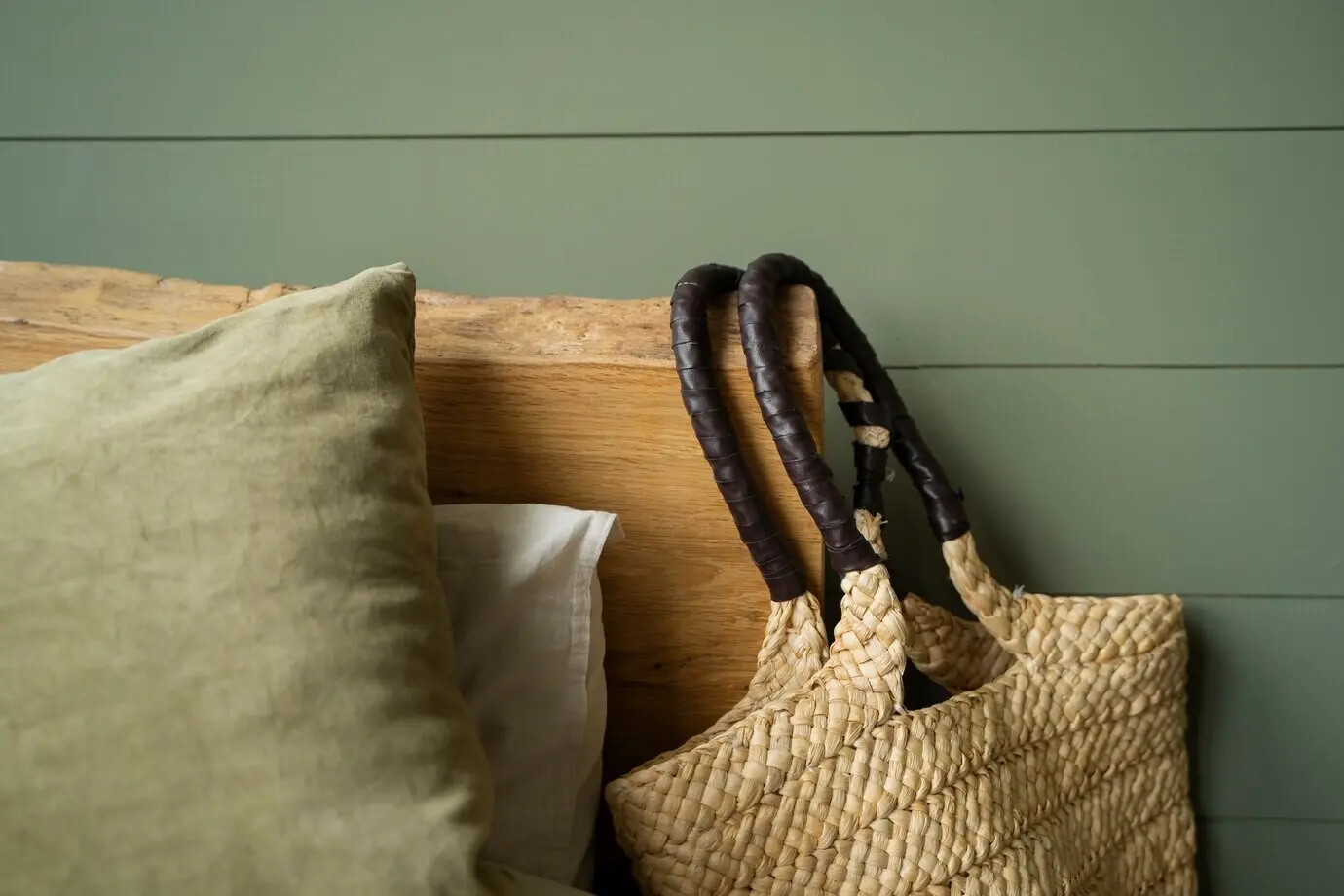
Enduring Elegance, Quietly Crafted
Principles That Keep Beauty Alive for Decades
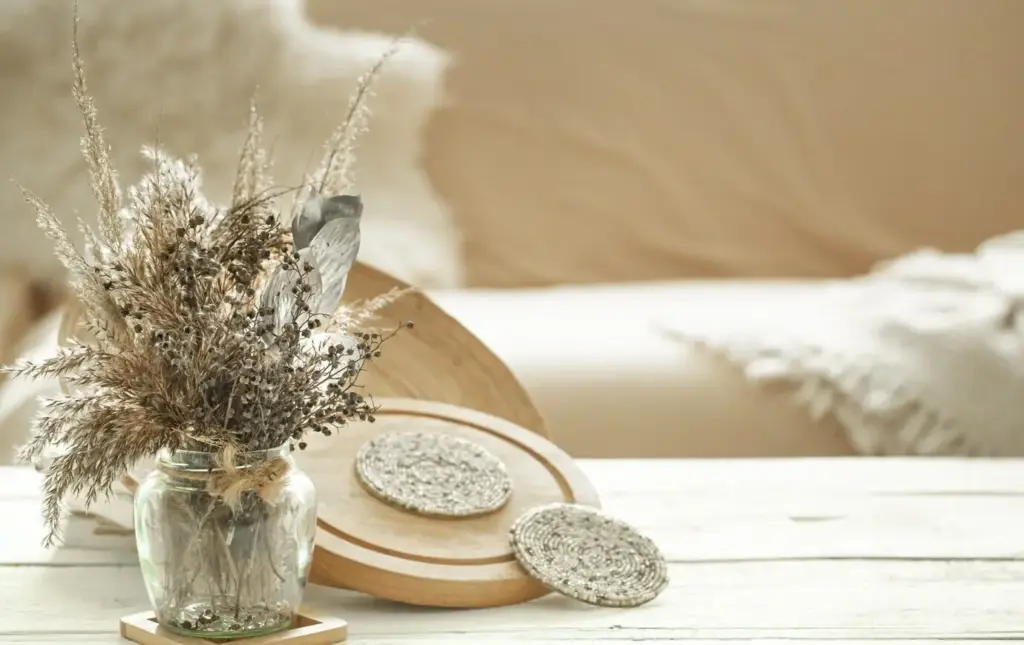
Patina as a Promise
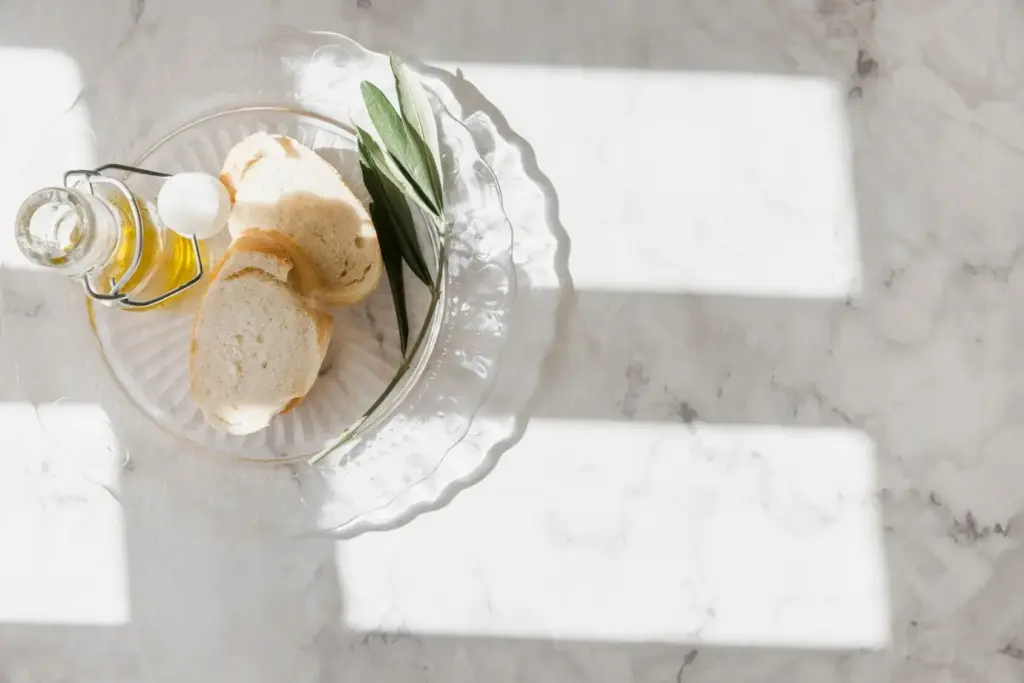
Lifecycle Value Over Initial Price
Stone That Feels Like Silence
Honed, Brushed, and Tumbled Surfaces
Surface treatment determines voice. Honed stone diffuses reflection, brushed stone adds tactile fibers underfoot, and tumbled edges soften transitions. In showers, choose textures for grip; on counters, prefer honed for graceful wear. Sealing remains essential, yet breathability matters. Combine subtle finishes across adjoining rooms to maintain continuity, allowing texture shifts to guide you gently, never loudly.
Veining as a Gentle Narrative
Veining should calm, not compete. Consider soft, linear movement for narrow kitchens and subtle, feathery marble for light-filled bathrooms. Bookmatching can create quiet symmetry; random matching reduces drama for peaceful backdrops. Visit slab yards at different times of day, as overhead lights can mislead. Capture photos and compare against fabrics to ensure a balanced, cohesive conversation.
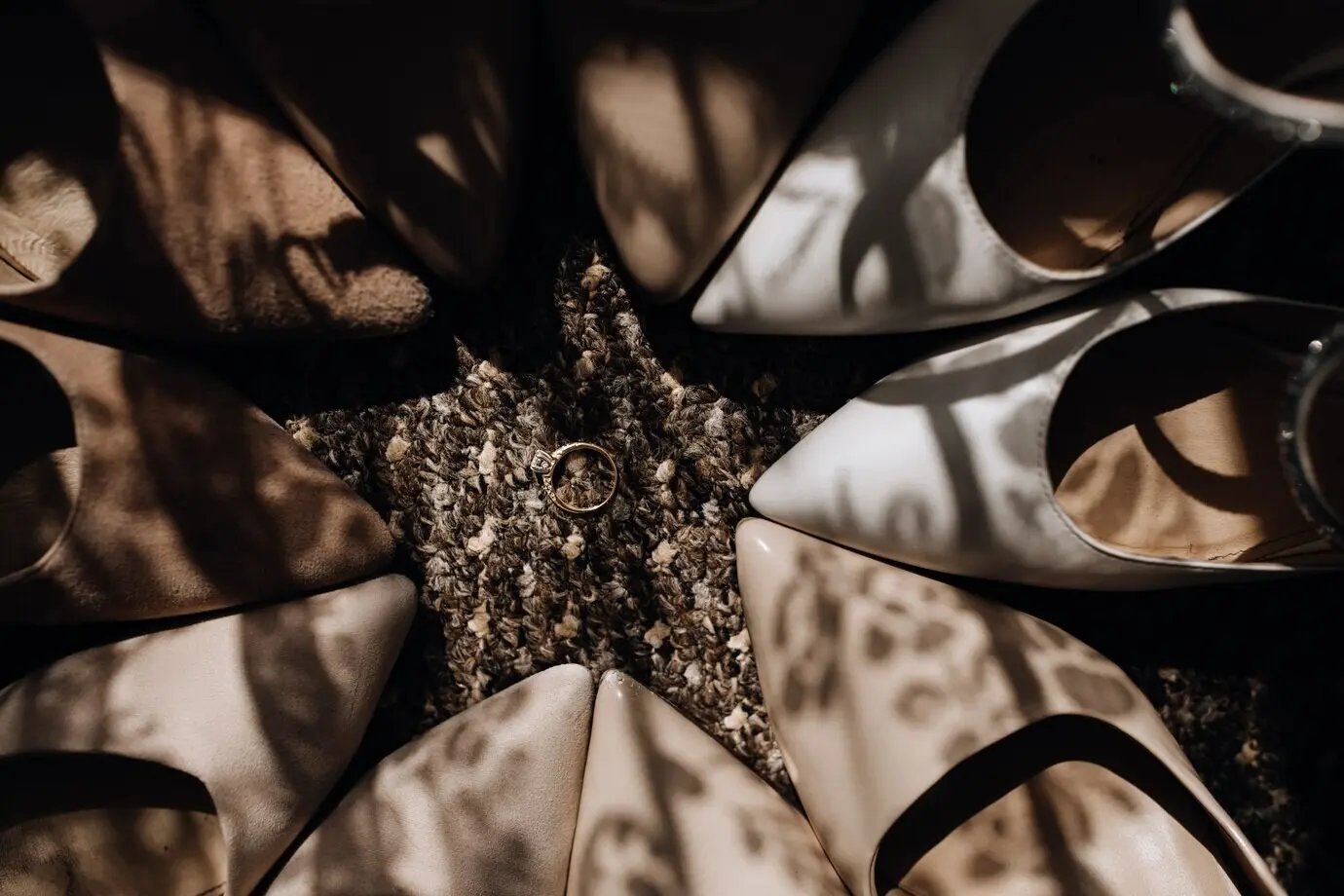
Wood, Light, and the Grain of Time
Tactile Comfort with Linen, Wool, and Silk
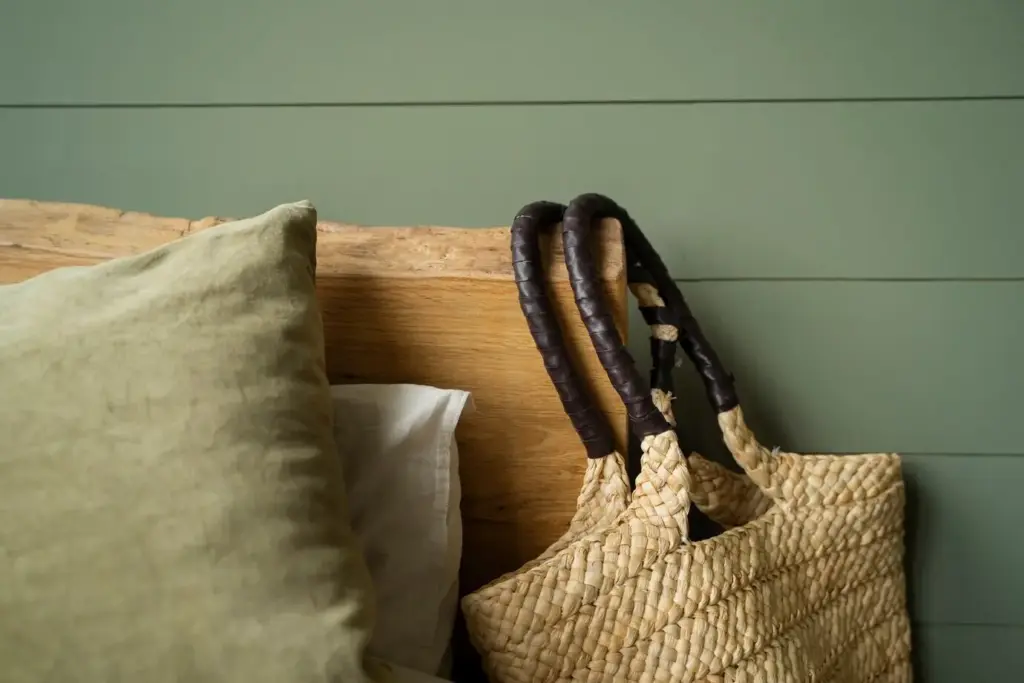
Layered Softness That Calms the Room
Curtains, Sheers, and Intelligent Light
Living Metal Finishes, Not Lacquered Shine
Let metals breathe. Expect fingerprints, softened edges, and deepening tones. On faucets and pulls, a living finish grows character rather than scratches. Maintain with mild soap and soft cloths, no polish required. A client once tried lacquered brass, then replaced it after a year—preferring the quiet story that only unlacquered metals can tell convincingly.
Lime-Based Plasters and Mineral Paints
Lime plasters regulate humidity, glow without gloss, and cast delicate shadows. They demand skilled hands and reward patience with depth unattainable by plastic coatings. Use tadelakt in showers for waterproof elegance; choose mineral paints for high breathability elsewhere. Repairs blend invisibly when executed by craftspeople. The result is calm, tactile architecture that ages with dignified restraint.
Handmade Tiles and Stone Insets
Zellige’s gentle imperfections scatter light softly; keep grout close in tone for serenity. Terracotta warms entries and sunrooms, especially over radiant heat. Consider stone insets at thresholds to signal subtle transitions. Prioritize slip resistance and sealed edges. The micro-variations telegraph hand and history, ensuring walls and floors feel crafted, not fabricated, and remain lovingly distinctive.
Palette Quietly Guided by Nature
Undertone Mapping and Testing
Layering Light: Task, Ambient, and Accent
Engage, Share, and Iterate Together
All Rights Reserved.